
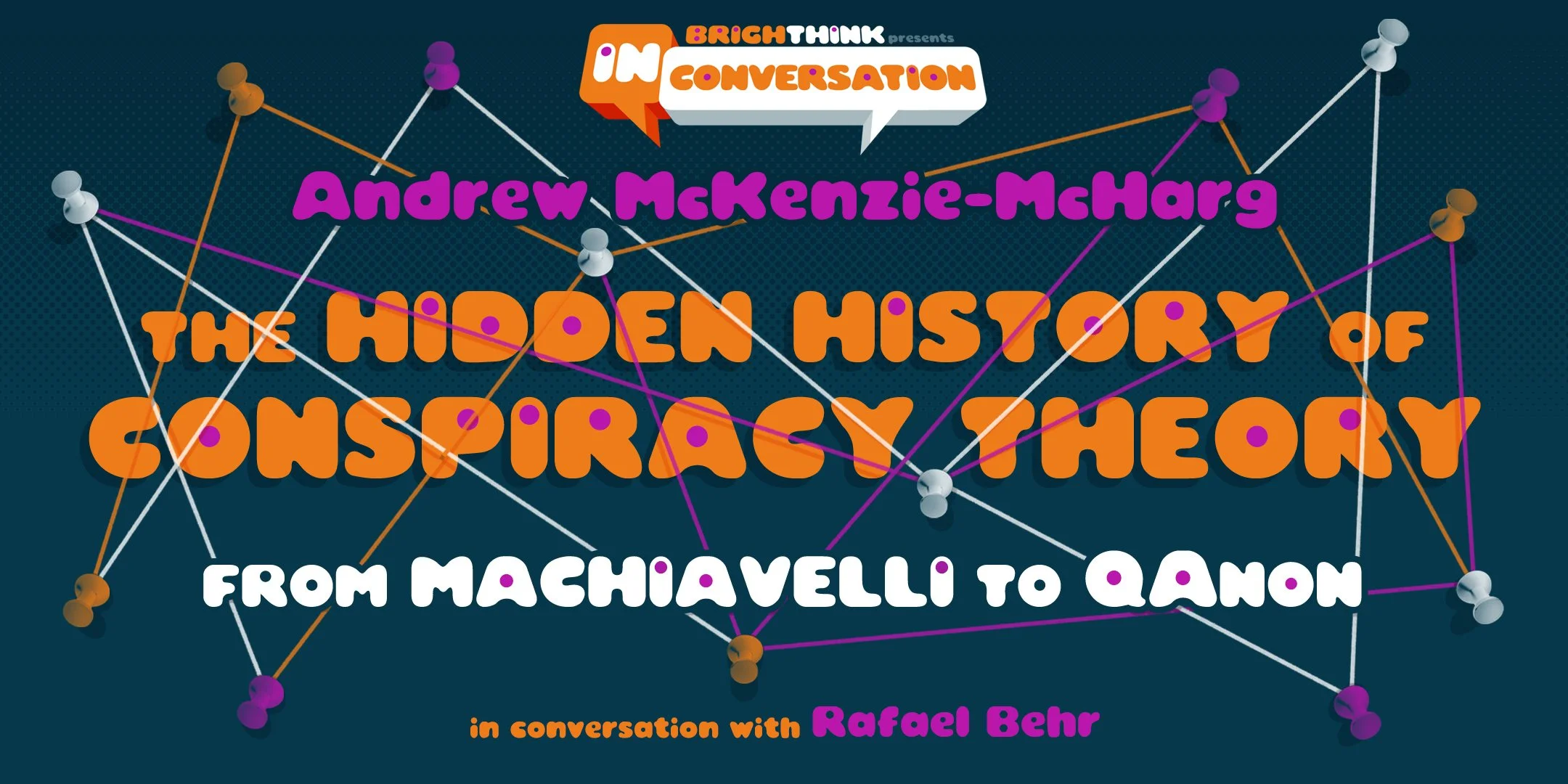
Why are some people continually drawn to conspiracy theories?
Is it the comforting simplicity of a world divided between good and evil, right and wrong?
Is it the appeal of an overarching story that connects apparently chaotic events and gives them meaning?
Or do conspiracy theories work because they tap into our prejudices, biases and deepest fears in ways we barely recognise?
Conspiracy theories can seem like a peculiarly modern phenomenon — from QAnon and the “deep state” to anti-vaccine claims and the “Great Replacement”. But as historian Andrew McKenzie-McHarg shows in his new book, The Hidden History of Conspiracy Theory, their roots stretch much further back, through political thought, religious prophecy, revolution and the emergence of modern democracy.
Join Andrew as he discusses his latest book with journalist Rafael Behr and they delve into the history and enduring appeal of conspiracy theory, asking why these stories emerge, why they take hold, and what they tell us about the societies in which we live.

AUTHOR BIO
Andrew McKenzie- McHarg is a researcher and historian at the Bibliotheca Hertziana–Max Planck Institute for Art History in Rome. His work explores the history of conspiratorial thinking and the development of the concept of “conspiracy theory”, with a particular interest in how early modern political and religious ideas around heresy, secrecy and conspiracy evolved into modern forms of conspiratorial thought.
He was previously a research fellow at the Forschungszentrum Gotha, University of Erfurt, and then on the Conspiracy and Democracy Project at the University of Cambridge.
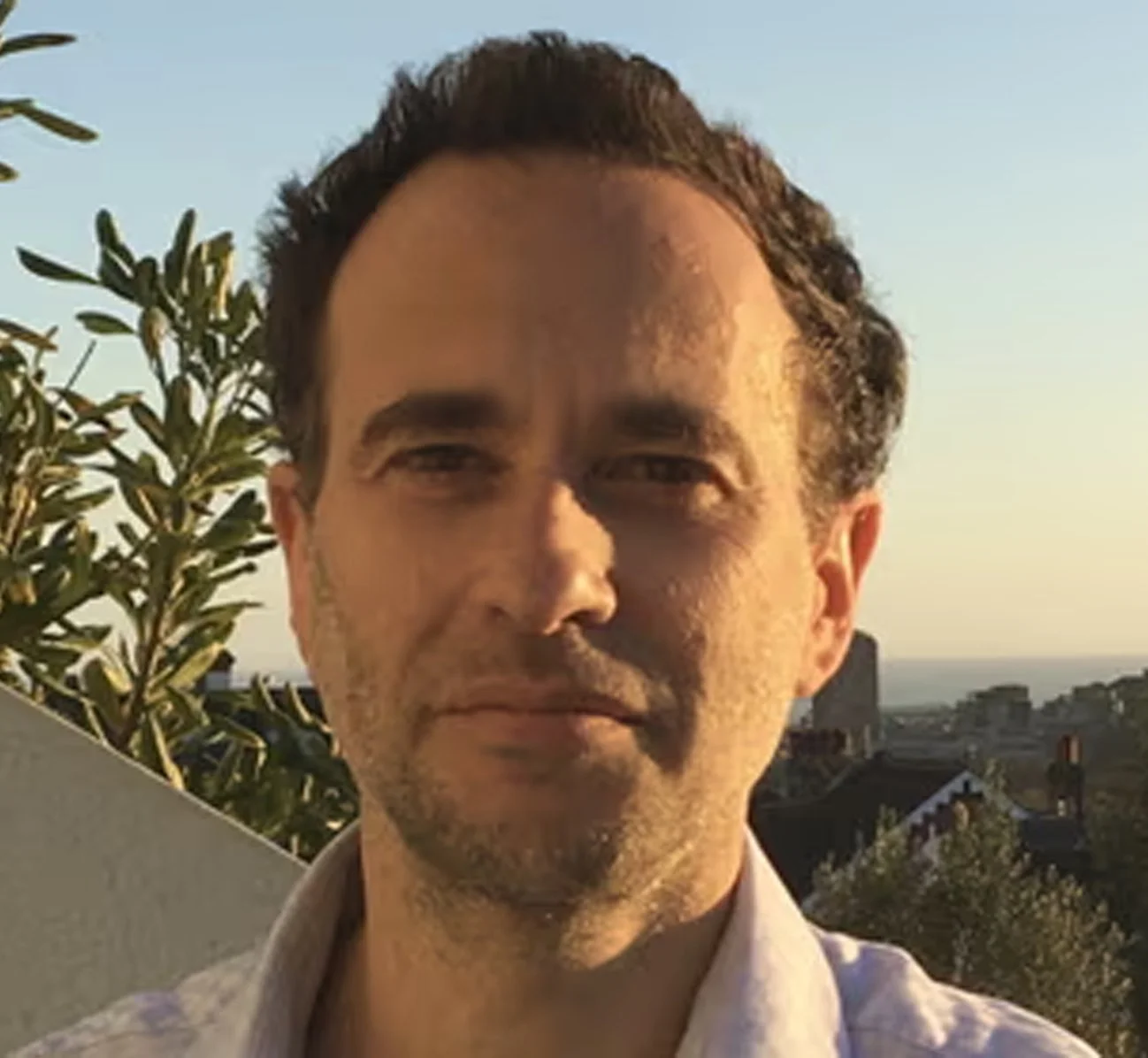
CHAIR BIO
Rafael Behr is a political columnist for the Guardian. He is a former Political Editor for the New Statesman, Chief Leader Writer and Online Editor for The Observer, a business news reporter for BBC online and a foreign correspondent for the Financial Times, based in the Baltic region and Russia.
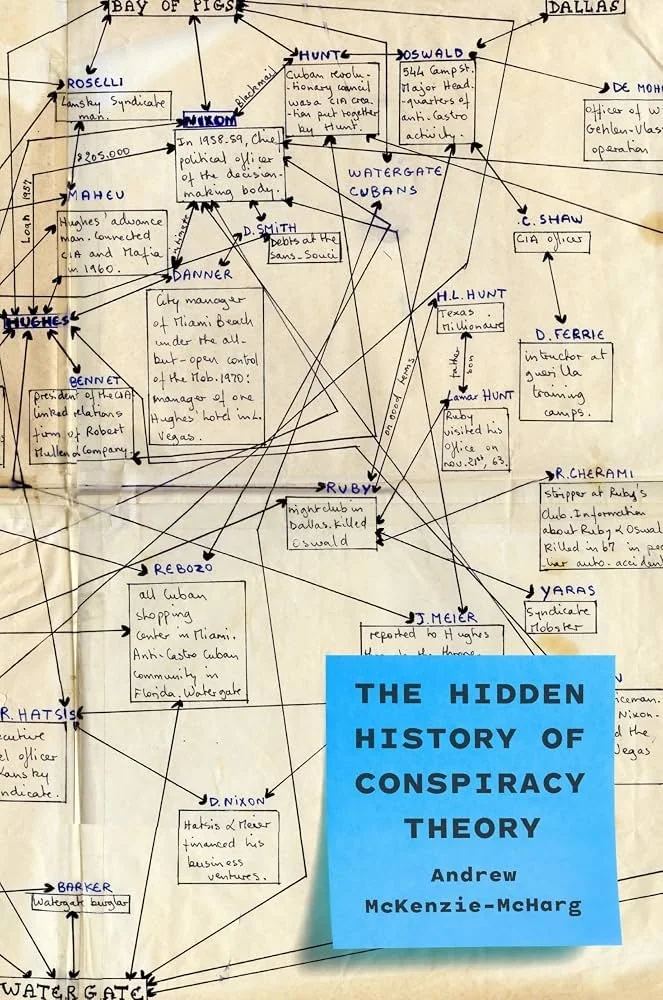
BOOK SIGNING
Andrew will also be signing copies of his new book The Hidden History of Conspiracy Theory, published by Princeton University Press, which will be available to purchase on the night.
This event will take place downstairs in The Tusk Room at The Walrus Pub, Ship St, Brighton. There is a licensed bar, but unfortunately there is no wheelchair access available at this venue.
DOORS OPEN : 19:00
TALK STARTS : 19:30
AUDIENCE Q&A : 20:30
BOOK SIGNING : 21:00